Why iced drinks are everywhere
It’s not just climate change that’s driving the UK obsession with iced drinks. The beverage category feels especially active at the moment, since we’ve had a wave of bev-innovation briefs recently, many of which focus on iced formats. We’re therefore exploring the bigger consumer drivers behind the rise in iced drinks and ‘not coffee’ consumption. From health-coded ingredients to K-Pop, there’s more to iced drinks than just staying cool.
Iced drinks have springboarded off the back of bigger drink trends, including the popularity of boba tea, premium sodas, RTD functional drinks, and the wider low/no movement. Consumers expect more with each sip, and in the current economy speciality drinks are a more achievable indulgence than eating out. The stats don’t lie: UK iced coffee sales have grown 22% YoY over the past five years. Importantly, iced drinks are no longer a summer phenomena, with one in four UK consumers under 35 drinking iced coffee year round (Innova).
We hope you enjoy this category deep-dive. Get in touch if you’ve got a drinks innovation brief on ice.
TEA vs COFFEE
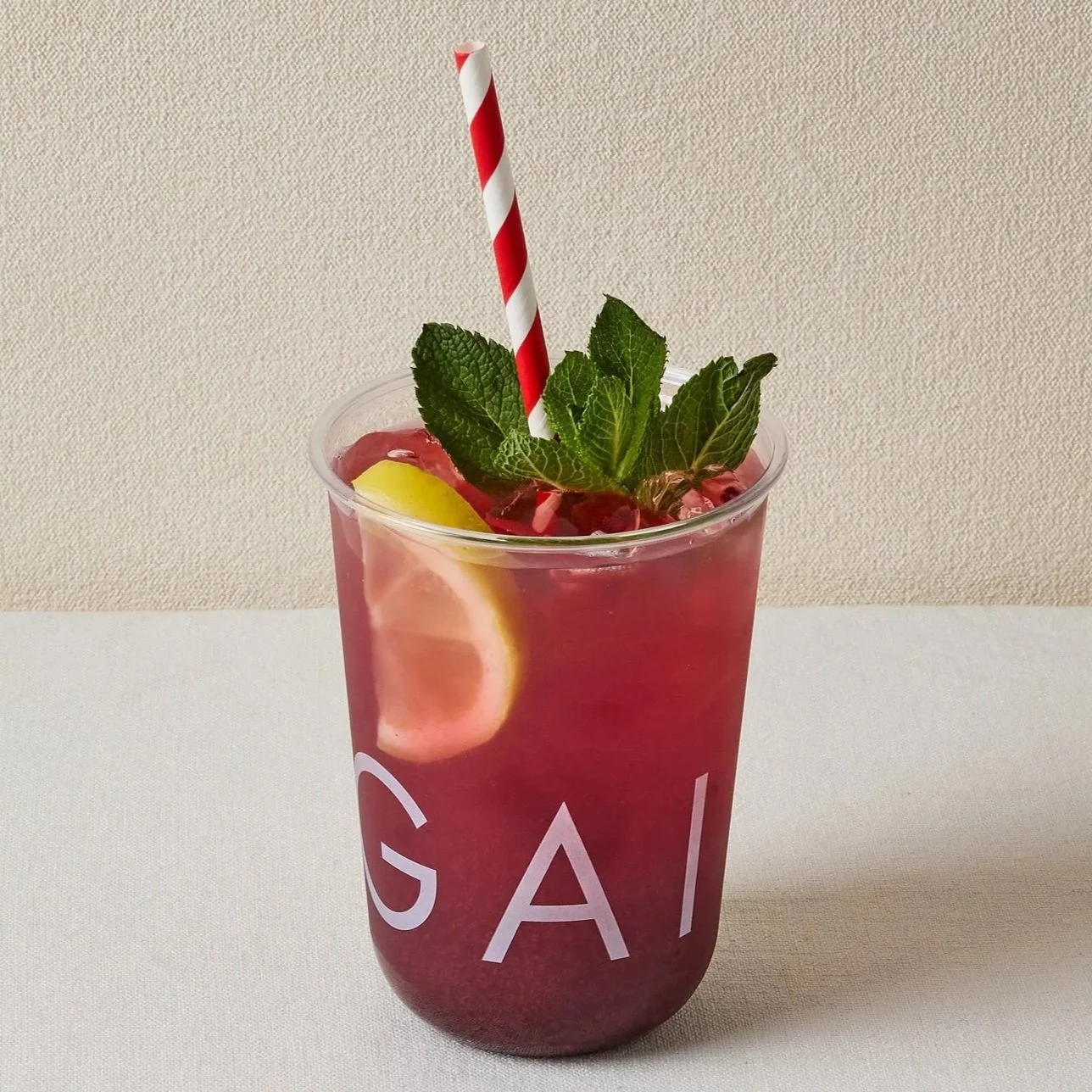
Coffee killed the cuppa, and now tea is back for revenge. Traditional black tea has had a rough ride with PG Tips maker Lipton facing debt restructuring (FT) and research showing an irreversible long-term decline in at-home tea consumption since 1975 (Gov.co.uk). Iced tea is a different matter, however. Floral and woody flavour profiles are coming to the fore with dried fruit and herbal infusions celebrated above the tea base. See the Tease summer range including blueberry Earl Grey or hibiscus and lemon verbena, as well as floral teas such as Osmanthus iced tea or Chrysanthemum iced matcha. Yorkshire Tea pivoted into green and fruit teas this month to stave off decline, which indicates how mass-market has moved. A builder's tea isn’t going to cut it anymore, but an iced jasmine orange oolong just might.
HEALTH CODING
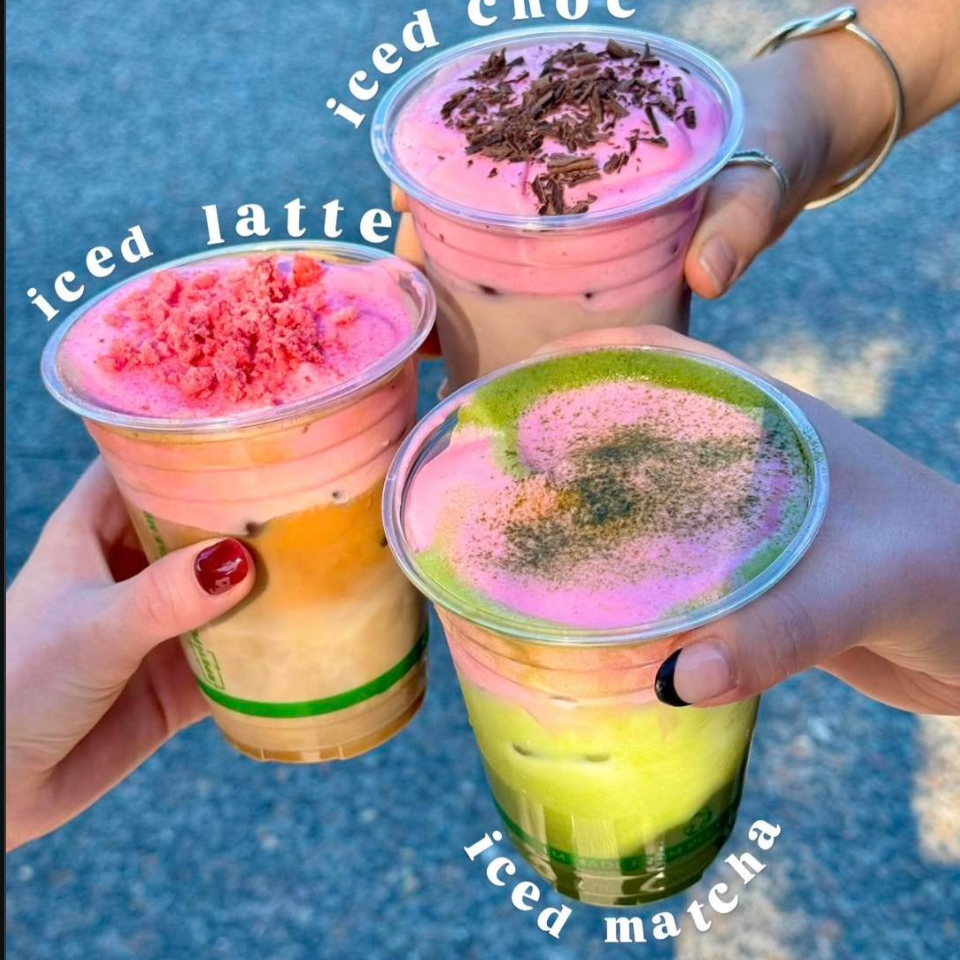
Iced drinks aren’t necessarily healthier (we’re looking at you, sugar syrup), but they're often coded as such. Tease iced teas are flagged as ‘milk free’, as if that’s inherently a Good Thing that guarantees more hydration with fewer calories. A trad cappuccino doesn’t stand a chance; iced drinks are overachievers that promise wellness, flavour and texture as well as (or more often, instead of) caffeine. Iced drinks can tick the gut health, adaptogen, nutritional and natural energy boxes in a plethora of ways that coffee can’t. Much of this is hype, rather than hard facts (we loved this long-read from The Guardian unpacking why many functional drinks underdeliver on health claims). Trend-led iced teas don’t even need water: Hong Kong Iced Tea has fizzed up on TikTok recently, where tea bags are steeped directly in Sprite for a fizzy cold brew with a sugar high.
“HOT DRINKS ARE FOR OLD PEOPLE”
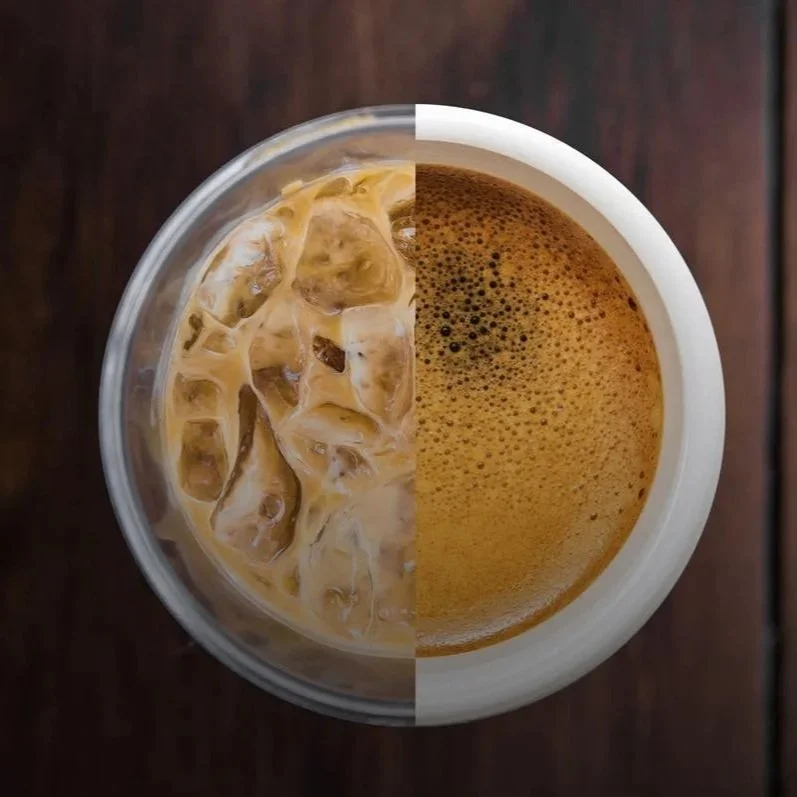
Iced drinkers are young and experimental: 53% of iced tea drinkers are 18 to 34 years old, with over a third of all consumers saying they’re more experimental with iced coffee or tea flavours. What’s more, iced drinkers are willing to spend the cash, and they generally spend £45 more on eating out per month compared to all consumers (NIQ). We’ve been helping drinks clients take more risks recently in drinks innovation, as this adventurous consumer subset rewards the brave. Let’s not forget that ‘iced drinks’ is a huge category as it encompasses cold tea, coffee tonics and infusions. We don’t necessarily talk about ‘hot drinks’ in the same umbrella term, but look at coffee and tea separately, which makes it feel like a more disjointed category.
K-COOL PHENOMENA
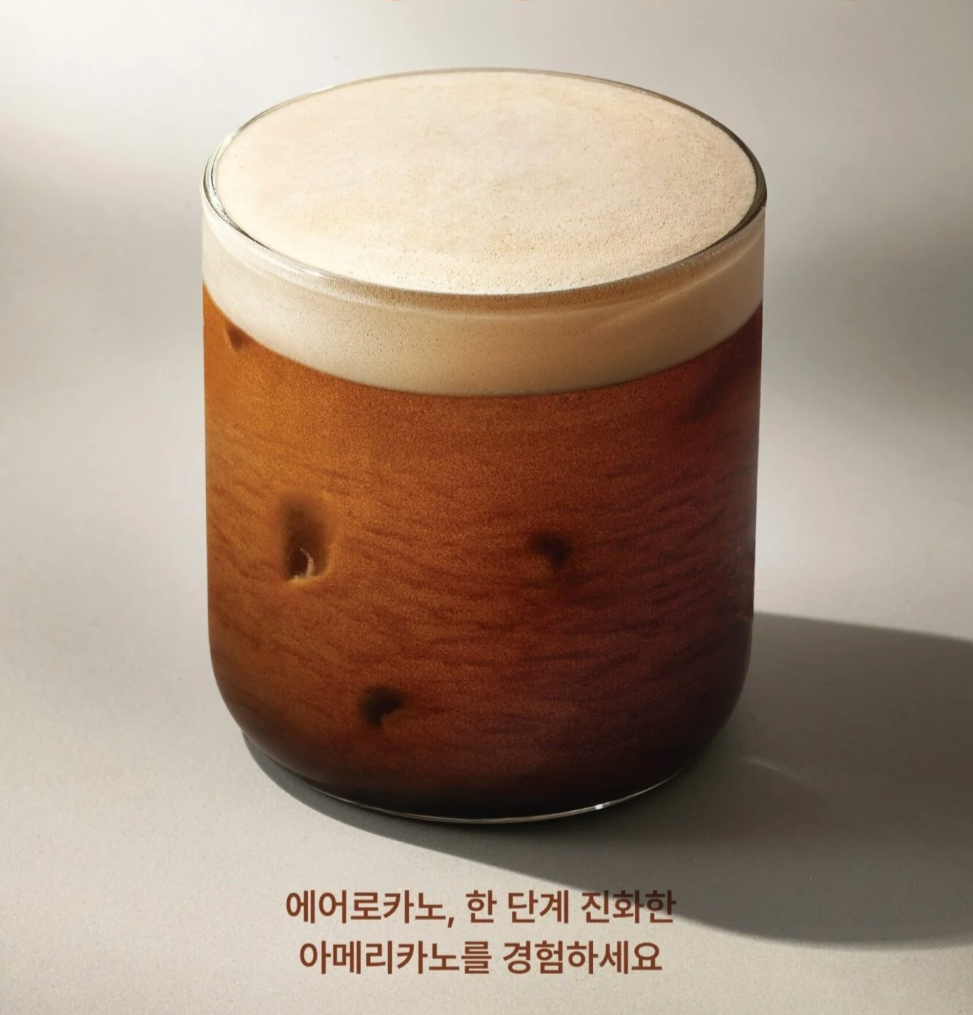
We can’t talk about iced drinks without taking a moment for K-Food trends. Following K-Beauty, K-Pop, K-Drama and the rest of South Korea’s impressive cultural exports, K-Food and drink have changed how we eat in the UK. Starbucks South Korea launched the Aerocano in February, with an aerated espresso foam top and cascading pour (watch this space for expansion into UK markets). Iced drink innovation from independent cafes often draws on Korean cafe culture, from established Dalgona coffee and Black Sesame Iced Matcha, to emerging K-iced drinks worth keeping an eye out for including Ashotchu peach iced tea with espresso, Melona Milk Soda, or Korean White Lemonade. We predict the continued expansion of pouched iced tea, which is a cult-favourite in South Korea’s 7-Elevens and already making their way into Tesco in the UK.

COLD COFFEE RUNS DEEP
Whilst they might embrace the 90’s revival, Gen Z aren’t nursing a cup of coffee Friends-style on the couch. Iced drinks are about being on the move, signifying status and productivity; it’s the athleisure drink of choice. Newer openings have tapped into that; think about how Blank Street stores give quiet luxury energy, compared to Starbucks or Costa hustle. A viral TikTok from a student on the psychology of iced coffee sent the platform spiralling into self-analysis; whether the iced coffee obsession is due to late-stage capitalism, thermodynamics or Jean Baudrillard’s theory on aesthetics (as the TikToker suggests in his original video) is beside the point. Iced drinks are now deeply rooted in Gen Z’s identity politics.
MY FAVOURITE ICED DRINK
LISA: “I had my first ever black sesame iced latte in Cloud Hill cafe, Tongyeong-si, South Korea. I tried (and failed) to make it at home, and the dark and creamy chilled goodness haunts me still.”
ALEX: “I’ve just returned from Italy and I have to say, I became very partial to a short and sharp Caffè Shakerato. Fresh espresso shaken hard with ice and sugar syrup, with a rich, velvety foam top.”