The 6 trends (and countertrends) that will define 2026
“What’s the next big thing in food and drink” must be the question we get asked most often (get in touch if you’d like to know the answer).
Any good trend often comes with a counter-trend pulling consumers just as hard in the opposite direction. This year, rather than the usual round up of food and drink trends for 2026, we’re predicting which six big trends will be vying for dominance this year. We’ve made our prediction of which trend (or countertrend) will win out, and we’ll check back in 12 months time to see if we were right…
Let’s see what the future holds…
METABOLIC RESILIENCE v GUT HEALTH
The gut health message has exerted itself across all categories, from toothpaste and probiotic floor mops, to Pepsi’s prebiotic cola. There is huge demand, as 85% of UK adults report experiencing digestive issues in the past six months (Mintel) and a we’re seeing a general shift towards probiotics in both food choices and supplements (Modor Intelligence). The microbiome will continue to dominate 2026 as its fundamental role in digestive health is now well established, and we’ll continue discover how it also impacts mental health, skin and even hearing loss.
Metabolic resilience is the term we expect to muscle in on gut health, however, as consumers look to prevention rather than cure. Metabolic resilience is the body's capacity to maintain balance and recover effectively from daily physical and mental stressors by switching between fuel sources, like fat and carbs, depending on availability and the body's energy demands. This metabolic agility is the cornerstone to good gut health. The viral Oura Ring (touted to replace smart watches for fashion-forward wellness tracking) includes a metabolic score, whilst resilience is a core principle to hyped female-focused products like Ancient+Brave supplements.
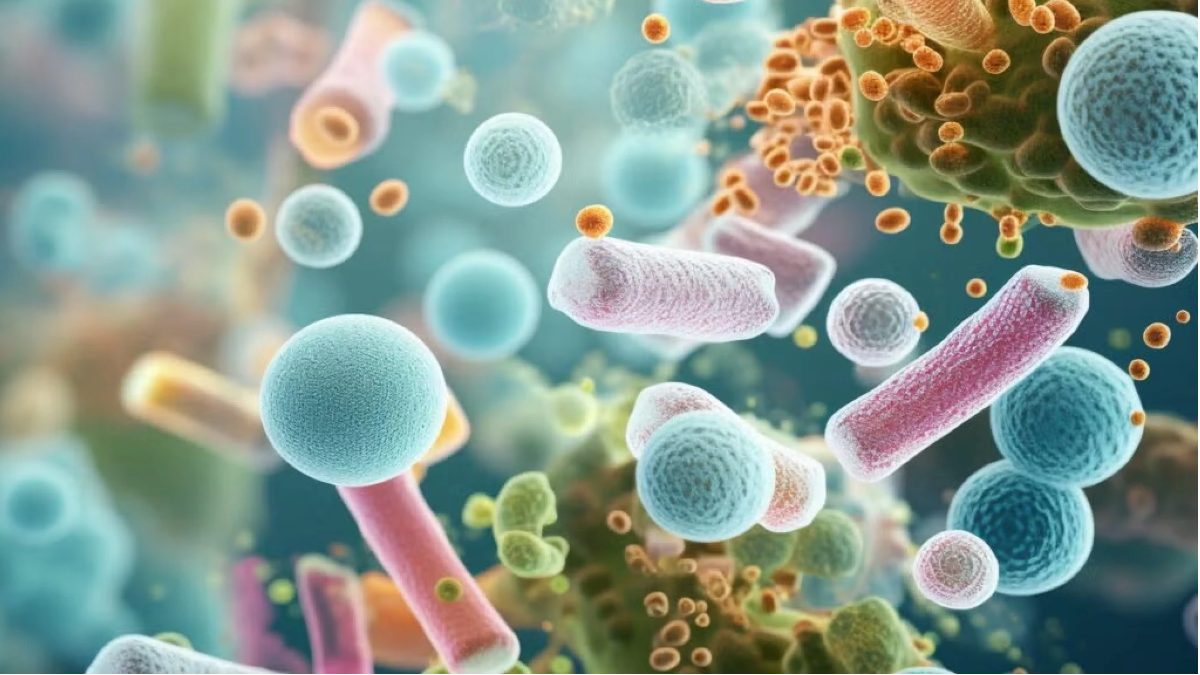
Predicted winner: Metabolic resilience. This won’t be a landslide win as gut health is already too loud a conversation, however we predict resilience will gain more momentum (and marketing attention) in 2026.
2. CLIMATE ALT INGREDIENTS v NEW HABITS
Win-Win chocolate felt futuristic when it launched in 2022, as the world’s first cacao-free chocolate, whilst Atomo ‘no-bean’ coffee launched in 2019 made from upcycled date pits and other plant-based ingredients. Climate change drives crop yields down and prices up; in the wake of a feta shortage, and cocoa, coffee, and wine crops all under threat, alt-ingredient innovation is more relevant than ever. Chocolate giants Mars, Mondelez, and Lindt have all invested in alternative production techniques, which demonstrates how far down the road we are. Many mass-produced chocolate brands have also reduced cocoa content to such an extent that it can’t even legally be called chocolate.
Rather than changing how we make chocolate, coffee and other core ingredients, one argument is that we should simply consume less of it. Or eat something else entirely. The goliath matcha trend and subsequent Hōjicha, milk tea and iced drinks, demonstrate how quickly consumers change their allegiance and find their way to coffee alternatives, motivated by a desire for new flavour experiences. Sustainable solutions might come from new menus, rather than in the lab.
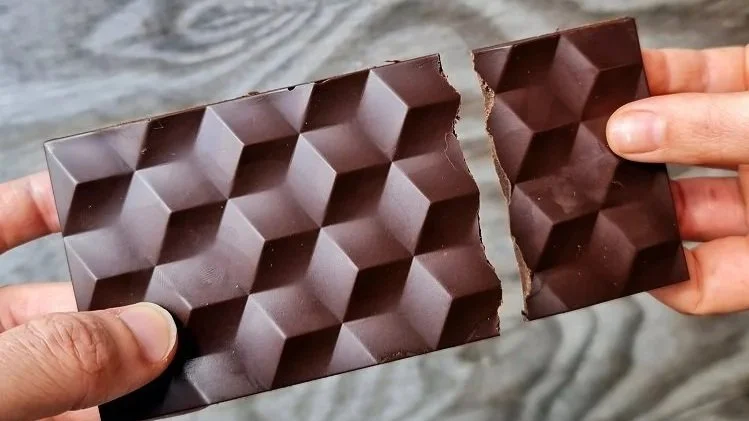
Predicted winner: Alt-ingredients. Consumers might be reluctant to adopt seemingly futuristic alt-ingredients when they have the choice, but climate change (like Covid) will bring rapid cultural changes beyond our current imagination. If you’d like to try Atomo coffee and you’re London based, head to the very Wes Anderson looking Hagen Espresso Bar on North Audley Street.
3. WEIGHT LOSS v SATIETY
GLP-1 and weight-loss jabs including Wegovy and Mounjaro have been a constant part of the conversation in the last year. Designed to mimic gut hormones that reduce appetite and slow stomach emptying, the treatment has been embraced by celebs including Oprah, Serena Williams and Elon Musk, but in the UK it still remains relatively expensive or hard to obtain on the NHS. One in eight American adults have taken a GLP-1 drug for weight loss (Gallup), and between 4% and 7% of British adults are users (KAM). As popularity and accessibility increase, and prices come down, we’ll see a huge impact in hospitality and food retail.
This is where brands are punching back to ensure they retain market share with consumers who are losing their appetite. Satiety, or feeling fuller on less food, is the watchword for 2026. M&S has developed a range of ‘nutrient dense’ products which are designed to provide more flavour, fibre, vitamins and minerals with every calorie, alongside Morrisons’ Small & Balanced and Co-Op’s Good Fuel ranges. Likewise Shake Shake and Chipotle restaurants have unveiled GLP-1 menus in the UK and US. Whilst primarily targeting GLP-1 users, these satiety-focused products will appeal to anyone looking to manage their weight (and 1 in 3 Brits say they are), alongside a renewed focus on whole foods that naturally stimulate GLP-1 including protein and fibre-rich foods, oats (dubbed oatzempic) healthy fats and fermented foods.
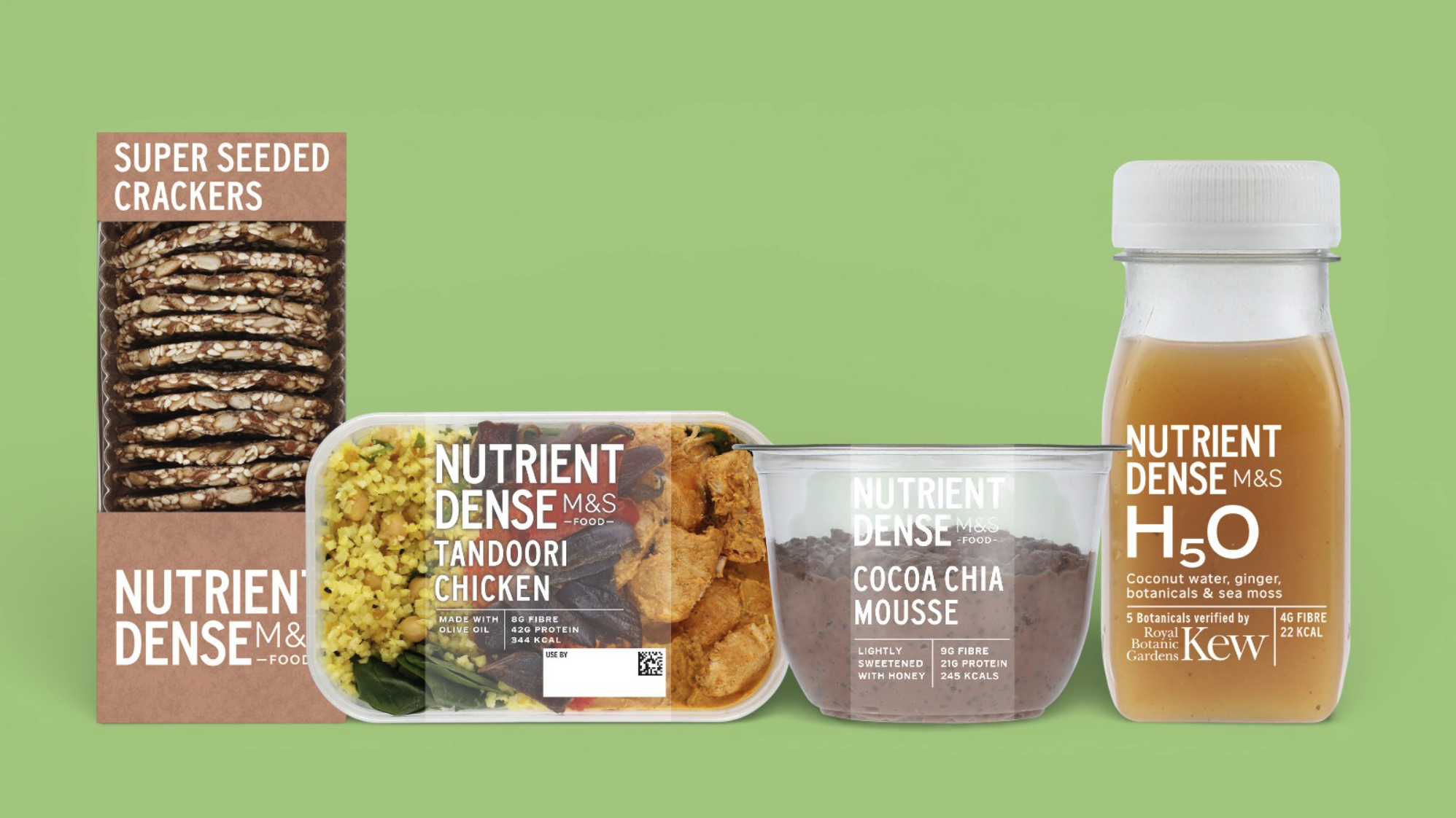
Predicted winner: Satiety. Weight loss medication usage will increase significantly, especially with the advent of pill format. Global GLP-1 adoption rates are predicted to sit around 10% (WHO), however the drug’s halo effect will impact a much wider population as it prompts more satiety-focused, nutrient dense NPD to the market, which will be accessible to all. Just as the 2010-2020 vegan boom didn’t turn everyone vegan, but it did bring plant-based to the mainstream.
4. EATING OUT: BIG v SMALL
Following on from the impact of GLP-1, we’re seeing a trend for all things small (and mighty) showing up on menus. Tiny drinks really made themselves known in 2025 (see Leggado restaurant’s 3 Sip Serves and Soho House One For The Road miniature cocktails), as well as snack-focused menus (see OTHER in Bristol) and bite-sized desserts (see menu at Town). There’s definitely beauty and sense in this approach, but it can stack up to be a rather expensive business for customers.
There are restaurants fighting the miniature/ tiny/ small etc. trend with hearty ‘does what it says on the tin’ dishes that don’t require any awkward passing around. More of a classic St. John approach of mains-done-well , which you know are going to fill you up. Generous bistrot-style classics at new Chelsea restaurant Martino’s is a good example, as is The Hart, by the Pelican team, in Mayfair. With a focus on bringing back the hearty weekday pub lunch.
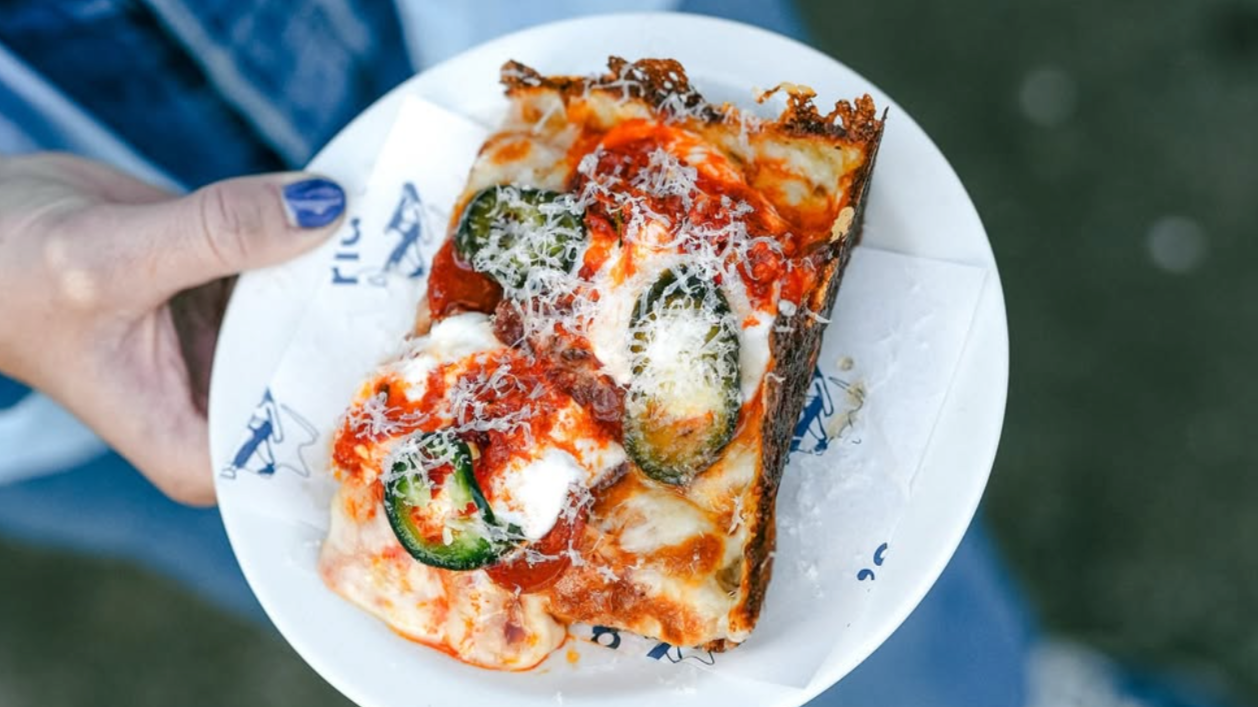
Predicted winner: Big. A return to proper dinners and carefully-curated main meals that offer simple satisfaction and better value. Ria’s Soho has become a new favourite of ours for this reason. Generous slices of Detroit pizza for £5.50! N.B. they also serve tiny cocktails.
5. SMOOTH v TEXTURED
Looking through 2025 Christmas food catalogues, and it was all just so smooth. Mousses, patés and desserts that require little to no chewing — the recent return of the Creme Egg Trifle is a prime example. Perhaps these chewless foods are characteristic of nostalgic classics we associate with Christmas and special occasions, but we’re seeing a lot of creamy NPD in the health space too, such as ‘Healthy’ drinkable yoghurts, meal replacement products and superfood powders to create the ultimate bowl. See Oikos Fusion drinkable yogurt, new Huel Lite and Get Pro protein pouches.
On the flipside, we have jaws that we need to use, and the process of chewing properly, on real food with integrity, provides an important link between us and the food that we choose to eat. ASMR, which has run from popularity into an obsession, associates textured food and drink you can crunch or slurp with greater pleasure. And we’re seeing increasing demand for crunchy and crispy foods that go beyond one-dimensional creamy textures. See #CrunchTok with over 1 billion views in 2025.
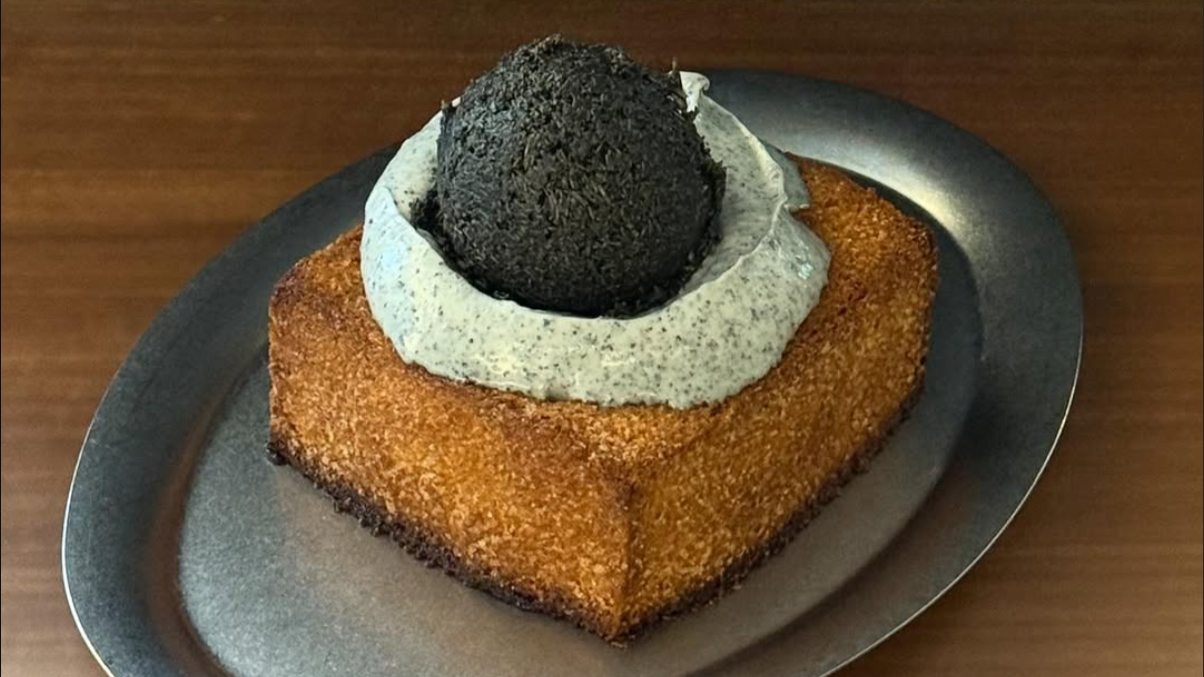
Predicted winner: Textured. Put down the straw, it’s time to really eat our food and be mindful whilst we’re doing it. We were inspired by the sticky, chewy cookie bars at Ichi Seoul cafe on a recent trip to South Korea. They’re all about texture, including an amazing chewy Injeolmi ice cream.
6. MAXXING v MODERATION
We’re in the peak maxxing era and it’s A LOT. Protein maxxing, fibre maxxing (over 160 million views on TikTok) and even lifemaxxing according to Sweetgreen’s new range which is all about nutrition for longevity. The maxxing trend extends beyond food and drink (see Looksmaxxing and Cosymaxxing), but when applied to our diets it feels like a flippant and irreverent rhetoric for what is essentially a national health crisis. Snackification, fast food, static lifestyles and convience culture already create an obesogenic environment, and maxxing has the potential to encourage unhealthy eating or behaviours too.
If current trends continue then, amongst children born this year, 1 in 4 will suffer overweight or obesity by the time they start school, rising to 3 in 4 by age 65 (The Food Foundation Broken Plate Report). Moderation, the avoidance of excess or extremes, is an approach notably characteristic of the world’s Blue Zones, where healthy eating and a balanced diet is embedded in culture from an early age. Quality, not quantity.

Predicted winner: Moderation. Maxxing feels faddy and extreme. We think there’s more legs in nudging consumers in the right direction towards more nutritious, joyful diets that will genuinely last.